
Getting out of poverty requires more than just a job.
It takes a connected system: navigators, resources, career pathways, and community working together.
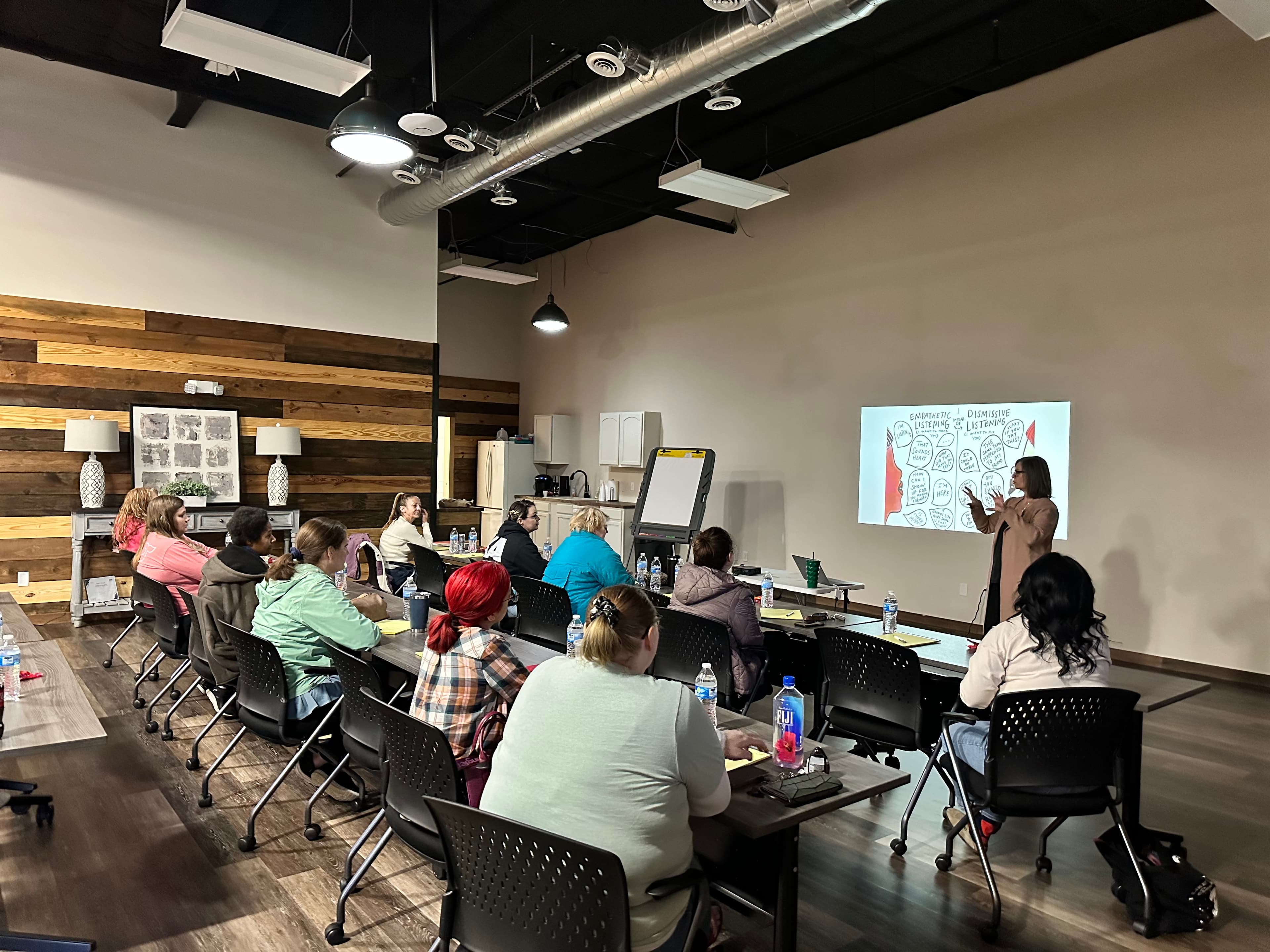
Our Method
We clear what stands in families' way
The trap
The Benefits Cliff
A single mother earning $12 an hour gets offered $14. She should take it. But that $2 raise eliminates her childcare subsidy—worth $800 a month. She nets negative $480. She's not bad at math. The math is bad.
Families face effective marginal tax rates exceeding 50%. For some, it reaches 100%—meaning every additional dollar earned costs more than a dollar in lost benefits. SNAP, Medicaid, childcare subsidies, and EITC create overlapping cutoffs that literally charge a penalty for progress.
How we break it
Strategic Cliff Mitigation
Navigators map every benefit threshold and time transitions strategically—so a raise actually means more money, not less.
EUC's benefit cliff mitigation fund bridges the gap when benefits phase out. An employer wage subsidy covers 50% of wages during critical periods. And our "Cost of Poverty in the Workplace" training helps employers become part of the solution.
The Design Problem
The American poverty system isn't failing despite good intentions. It's failing because of its design.
Tennessee's Human Services Commissioner, Clarence Carter, counts 114 federally authorized means-tested programs, each designed independently to address one piece of a much larger puzzle. The result isn't anyone's fault — it's a structural problem. When programs can't coordinate with each other, families fall through the gaps between them.
And when success is measured by enrollment numbers rather than life outcomes, even well-run programs can miss what matters most.
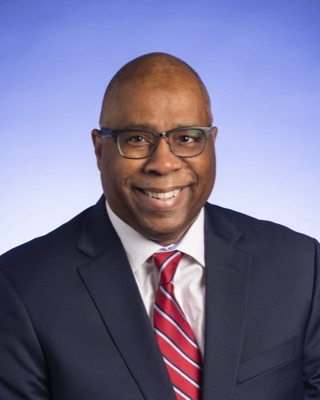
“We measure the wrong things. I can tell you how many people are on the rolls of different programs. I can tell you how much you spend in those programs. What I cannot tell you, because we don't measure it, is the impact of any of our interventions on those that we serve.”
Commissioner Clarence Carter
How the Traps Interlock
Each trap reinforces the others. The cliff punishes progress, the bandwidth tax prevents planning, isolation removes the relationships that could help, and the sawtooth effect ensures any ground gained is temporary. Breaking one isn't enough — you have to address all four simultaneously.
The Rural Effect
In rural Tennessee, all four traps compound. A doctor's appointment is a two-hour round trip. Job training is 45 minutes away with no public transit. The social networks that drive mobility in cities barely exist. When geographic isolation layers on top of economic isolation, every trap gets worse. That's why our Navigators are embedded in their own counties — they know the landscape because they live it, shop at the same stores, and sit in the same pews.
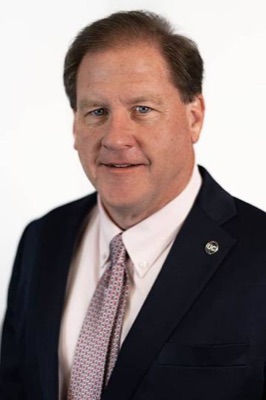
“We didn't need a new program. We needed a different design.”
Mark Farley
Executive Director, UCDD & UCHRA
Empower Upper Cumberland is a program of the Upper Cumberland Human Resource Agency (UCHRA), the regional human services organization serving all 14 counties. UCHRA and the Upper Cumberland Development District (UCDD) together provide the infrastructure — from workforce development to community action — that makes a program like Empower possible.
Our Difference
Not case managers with clipboards.
Traditional anti-poverty programs often treat families as problems to be managed. We see families as partners working toward a shared goal.
Traditional Programs
- ✕Compliance-focused case management
- ✕90-day timelines, then you're on your own
- ✕Any job is a good job
- ✕Siloed services, fragmented support
- ✕Families as recipients
The Empower Approach
- Partnership-based navigation
- 18-24 month relationships, longer if needed
- Family-sustaining careers, not just jobs
- Coordinated support across all needs
- Families as heroes of their own story
The Three Pillars
The Empower Solution
Our approach rests on three integrated pillars: Relationships that provide sustained support, Resources that remove barriers, and Career Pathways that lead to family-sustaining wages.
Relationships
One dedicated Navigator who knows your whole situation — not rotating caseloads or five different case workers. A partnership that lasts 18–24 months, with manageable caseloads so nobody gets lost in the system.
Consistent Partner
One person who knows your story, your goals, and your challenges
Manageable Caseloads
Small enough that nobody gets lost in the system
Coordinated Referrals
Connections to 12+ partner organizations so you don't navigate alone
Gap Funding
Bridges benefit transitions so raises don't hurt
Emergency Support When Needed
Prevents crises from derailing progress
Financial Planning
SmartDollar training and prosperity journals build lasting capability
Resources
The right support at the right time keeps families moving forward — breaking the sawtooth cycle. Gap funding bridges benefit transitions. Emergency support catches setbacks before they erase months of progress. And financial planning builds the capability to handle what comes next.
Career Pathways
Pathways to livable-wage careers, not just jobs. Education and training aligned to what Upper Cumberland employers actually need — healthcare, manufacturing, and skilled trades.
Education & Training
LPN programs, TCAT certifications, and degrees that lead to real careers
Preferred Employer Network
Employers who understand barriers and partner in the solution
Family-Sustaining Focus
Target: 225% of federal poverty level — enough to truly get ahead
The Journey
The Five-Stage Participant Journey
Getting Started
Every journey starts with understanding where a family is today. Navigators work with each family to understand what's in the way, connect to available resources, and establish a foundation for forward progress. When unexpected challenges arise along the way, flexible support helps keep families on track.
Prosperity Planning
Every family creates a personalized Prosperity Pathway. We start with two fundamental questions: What does your family actually need to be stable? How much money does your family need per month to be stable?
Many participants have never calculated this number. Together with Navigators, families map their current situation, identify barriers, and set achievable milestones toward reaching 225% FPL.
Skill Building
Based on the family's goals and regional labor market realities, we connect participants to education and training opportunities. This might mean GED completion, TCAT certification, college coursework, or employer-sponsored training.
Partners like Highlands Training Center and Tennessee Tech's Individual Learning Pods provide flexible skill development. Families earn milestone payments along their journey to incentivize the good work they are completing.
Employment & Advancement
Job placement is not the finish line — it's the starting point for advancement. We connect families to preferred employers who understand their situations. Navigators continue support through the critical first months of employment, helping solve problems before they become reasons to quit.
Financial Independence
Families graduate when they reach 225% FPL. But our relationship doesn't end abruptly. Families can connect with resources in the Empower Program through a System Navigator as well as remaining engaged in Circles EmpowerMENT Nights as volunteers. The goal is independence, not abandonment.
Two-Generation Approach
Children thrive when parents stabilize. Parents advance when children are secure.
Poverty is a family condition, not an individual one. That's why we work with entire families, simultaneously — building stability for parents and opportunity for children at the same time.
For Parents
- Career coaching and job placement
- Education and credential support
- Financial capability training through SmartDollar and prosperity journals
- Benefits cliff navigation
- Support when life throws curveballs
For Children
- Ready to Learn family programming builds early literacy and family engagement
- Youth activities and milestone incentives keep children connected
- Educational support removes barriers to school success
For Families Together
- Circles USA builds community support networks
- Family goal-setting creates shared accountability
- EmpowerMENT Nights bring families together for meals, milestone celebrations, and community
Radical Transparency
What we're still learning
Real evidence means admitting what we don't yet know. These are the questions we're actively working to answer.
How do we know when families are ready?
Defining “graduation” is complex. We track income thresholds (225% FPL), but true stability involves more than wages. We're developing better indicators for long-term success.
Can this work everywhere?
Our model is designed for rural Tennessee. Labor markets, benefit structures, and community resources vary. We're documenting which elements are universal and which need local adaptation.
What policy changes would help?
Even the best programs can't fully compensate for a system designed to punish progress. We're working to identify the policy changes — at state and federal levels — that would make the cliff less steep.
The key to success is being involved with your participants' lives. Don't just do what is required. Go the extra mile. Look for the fire in them, know what they are reaching for, and encourage them along the way.
— Debbie Mayberry, Empower Navigator
See the proof in the numbers.
Our methodology isn't just theory—it's delivering real results for real families across 14 Upper Cumberland counties.